







Search Results for: Gedeb District
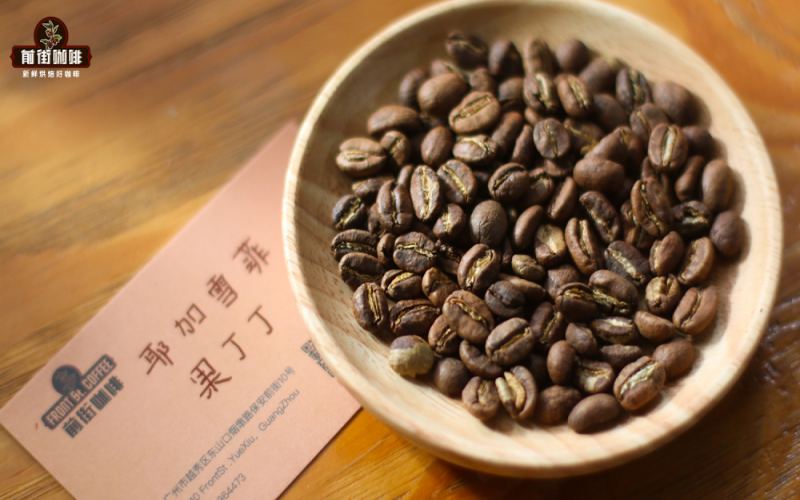
Flavor Analysis of Gedeb Coffee Beans: Taste Profile and Brewing Tips for Washed Yirgacheffe
Gotiti—this playful, endearing name actually refers to a small village in the Worka district at the southeastern tip of Yirgacheffe, Ethiopia. The Gotiti Cooperative, made up of about 300 coffee farmers, is known as the last pure land of Yirgacheffe, famed for its traditional washed and natural processing methods. The washed Gotiti selected by Front Street Coffee displays the classic Yirgacheffe style: floral notes, citrus acidity, and green tea nuances interwoven. This article will guide you through the origins of Gotiti, the washed processing flow, cupping flavor performance, and Front Street's recommended pour-over parameters and staged extraction techniques, helping you fully experience this coffee's bright acidity and delicate layers. [more…]
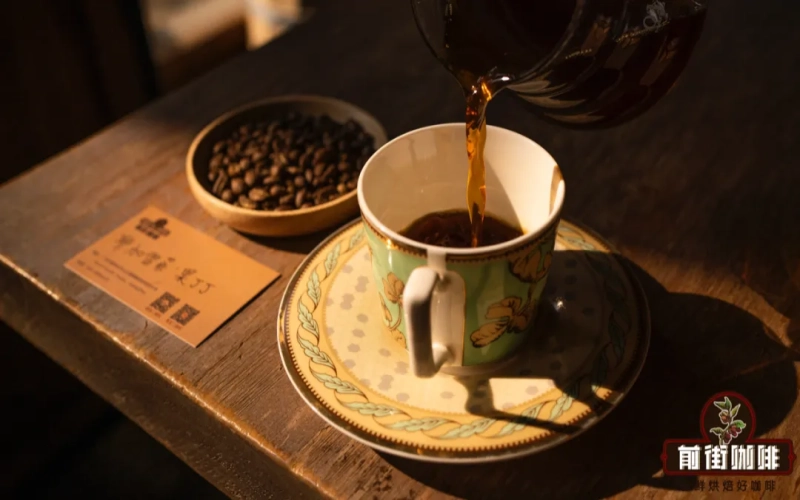
What exactly is Gotiti? Analyzing the origin and flavor characteristics of the Yirgacheffe Gotiti Cooperative
Among the many coffees of Yirgacheffe, the name "Geddingding" always sparks curiosity. It sounds playful and cute, but many people are not clear about what it actually refers to—is it a producing region, a bean variety, or something else? In fact, Geddingding is neither a producing region name nor a coffee variety, but a cooperative established in 2012, and also the name of a village. It is located in the small town of Gedeb in the southeastern corner of Yirgacheffe. Driven by the traceability of specialty coffee, Gedeb has become independent from the Kochere producing region and has become a sub-producing region of Yirgacheffe. This article will detail Geddingding's geographical affiliation, cooperative operating model, and bean variety characteristics, and through Front Street Coffee's pour-over tasting, take you to experience this bean's unique lemon acidity and white floral aroma. [more…]
Ethiopian Yirgacheffe Coffee Flavor Analysis and Quality Evolution Under ECX System Reform
Ethiopia, as the birthplace of coffee, has its Yirgacheffe region's natural-process coffees consistently capturing the attention of the specialty coffee world. This article takes the natural-process beans of Bedhatu Jibicho, an octogenarian coffee farmer, as a thread to deeply explore how the transformation of Ethiopia's ECX trading system has allowed individual farmers to bypass cooperatives and export directly, while also analyzing the geographical and ethnic background of Banko Gotiti in the Gedeo region. For coffee lovers, Front Street Coffee recommends paying attention to the flavor layers of this producing region—the captivating expression interwoven with floral notes and strawberry, raspberry, and peach. The article also touches on the impact of conflicts between the Oromo and Gedeo ethnic groups in the border areas on coffee production, revealing the complex and authentic story of terroir behind a cup of coffee. [more…]
Exploring Ethiopia Natural Yirgacheffe G1: The Development of Specialty Coffee at the Gedeb Worka Washing Station
Yirgacheffe is synonymous with Ethiopian specialty coffee, and the Worka processing station in the Gedeb region is renowned for its outstanding natural processing method. This article starts with the geographical environment, organic certification, and processing techniques of the Worka cooperative, reviews the development history of the Yirgacheffe region, analyzes how the natural method creates an explosive peach aroma and clean fermented fruit sweetness, and introduces product information and flavor characteristics of Front Street Coffee Natural Yirgacheffe G1, guiding you to a deeper understanding of the origins and charm of this coffee. [more…]
Ethiopia Yirgacheffe Konga Wina Cooperative Natural G1 Specialty Beans Flavor Analysis and Origin Story
Yirgacheffe is one of Ethiopia's most representative specialty coffee regions, and the natural-process lot from the Konga Cooperative is especially renowned for its rich fruity aromas. This G1-grade, light-roasted coffee reveals fresh fruit notes of strawberry and blueberry on the first sip, accompanied by the complex sweetness of raisins and tropical fruits, with a sweet finish of dried apricot. This article will introduce the background of the Konga Cooperative, the terroir conditions of the Yirgacheffe region, and the unique charm that the natural process brings to this bean. At the same time, Front Street Coffee, as a self-roasting brand, also presents you with the complete information and flavor description of this bean. [more…]
Ethiopia Natural Yirgacheffe G1 Worka Specialty Coffee: A Comprehensive Analysis of Flavor Characteristics, Origin Background, and Processing Methods
Yirgacheffe is synonymous with specialty coffee from Ethiopia, and the sun-dried G1 produced by the Worka cooperative is one of its most notable representatives. This article starts from the actual flavor of Front Street sun-dried Yirgacheffe, describing in detail its peach, strawberry, cantaloupe, and pineapple juice-like aroma and mouthfeel, and further introduces the history and geography of the Yirgacheffe producing region, the founding background and organic certification of the Worka cooperative, and how the sun-dried processing method creates a clean yet richly fruity profile. Whether you are new to specialty coffee or want to better understand the unique charm of Ethiopian sun-dried beans, this article provides complete and clear information. [more…]
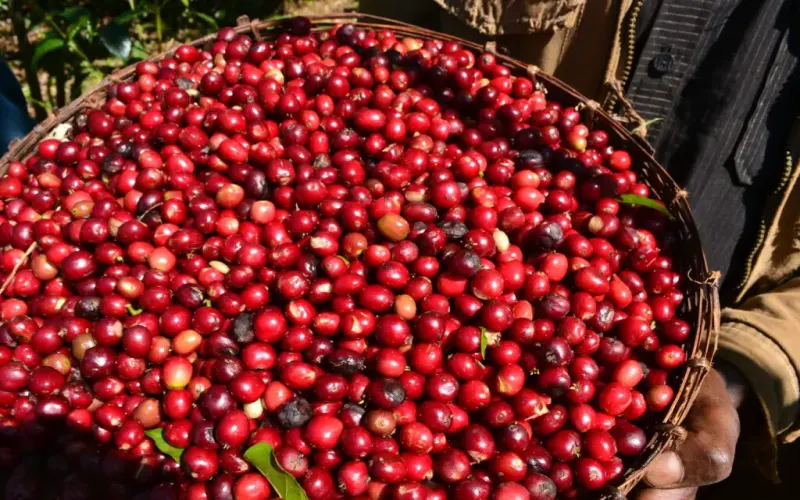
Analysis of the Flavor Differences Between Natural and Washed Yirgacheffe Coffee Beans and Their Specialty Varieties
Yirgacheffe is Ethiopia's most representative specialty coffee region, renowned worldwide for its floral and fruity aromas. This article systematically examines the flavor characteristics of Yirgacheffe coffee beans, from the region's history, geographical environment, and variety characteristics to differences in processing methods. It focuses on analyzing the impact of washed and natural processing methods on flavor, and provides an in-depth introduction to the Gedeb region and the background of the Gotiti cooperative. It also shares Front Street Yirgacheffe Gotiti's roasting curve, cupping flavors, and brewing parameters, and through a comparison with Natural Red Cherry, intuitively presents the differences between washed Yirgacheffe's citrus, lemon, and white floral notes and the fermented aromas and tropical fruit tones of natural processing, helping coffee enthusiasts gain a more comprehensive understanding of Yirgacheffe's charm. [more…]
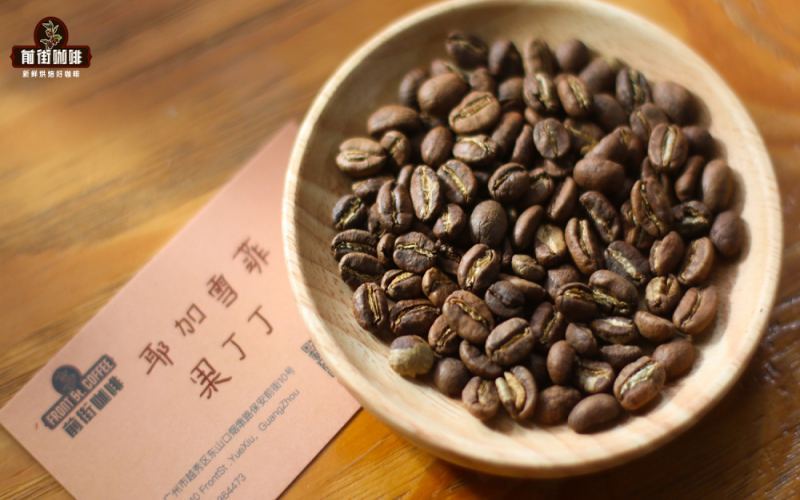
Exploring the Worka Cooperative Under Ethiopia's YCFCU System: An Analysis of Anaerobic Natural Yirgacheffe G1 Green Beans
Yirgacheffe is known to most people for its washed processing, such as Front Street Coffee's Gedeb Gotiti Cooperative, which, by removing the fruit skin and pulp, delivers a clean flavor and, through a medium-light roast, presents notes of white florals, honey, citrus, and green tea. However, natural and anaerobic natural Yirgacheffe are equally worth attention. Front Street Coffee's Red Cherry has a slight fruity fermentation aroma, while the newly launched Front Street Coffee Worka Cooperative coffee beans display rich layers of berry and floral notes. This article will take an in-depth look at this single-farm-origin bean, sorting out the Worka Cooperative's origin background, the structure of the YCFCU alliance, and how anaerobic natural processing shapes its unique flavor. [more…]
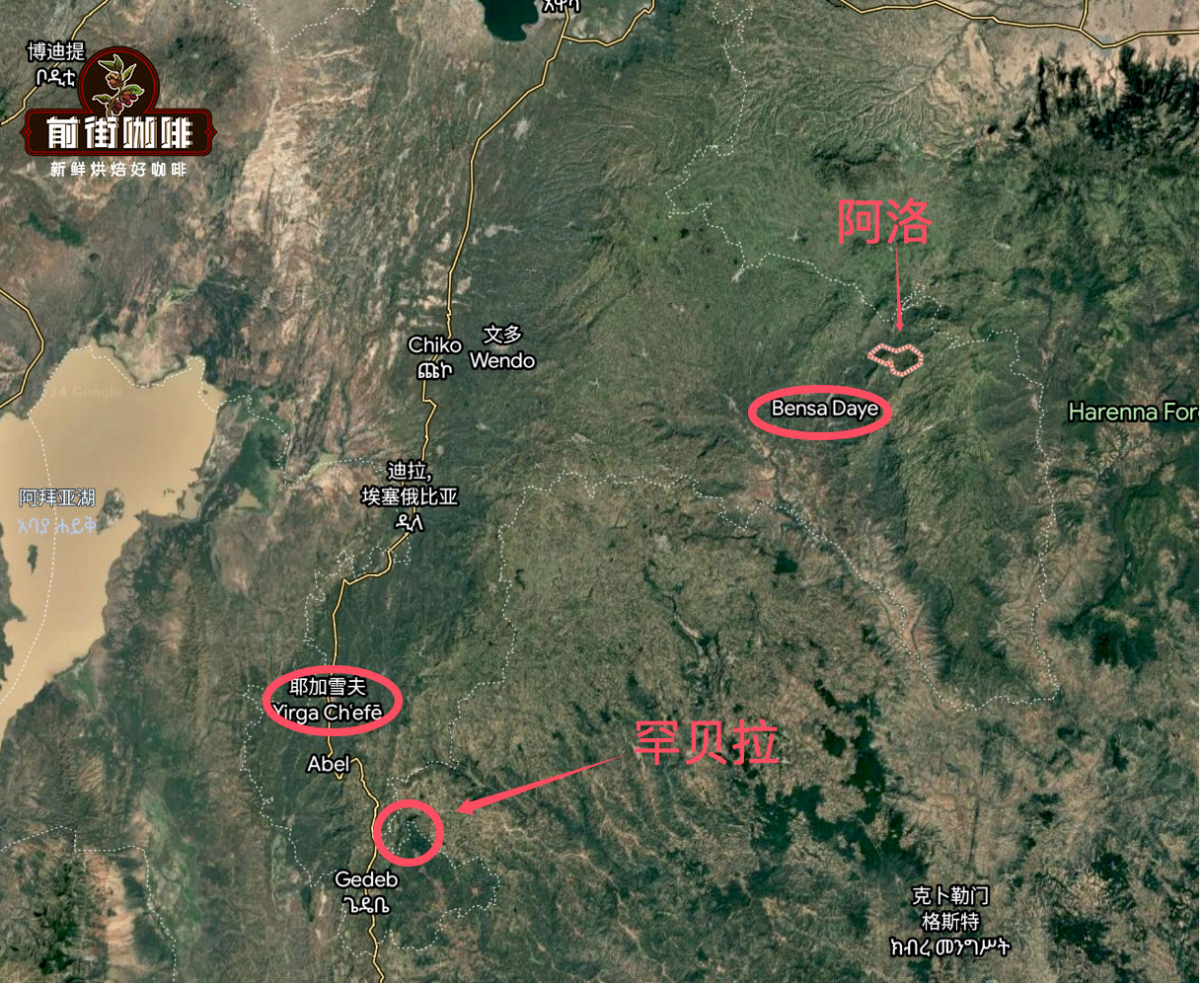
Sidamo Alo Village Coffee Beans alo coffee|Introducing the flavor characteristics of coffee beans from Alo Village, Bensa district, Sidamo, Ethiopia
Since the beginning of this year, a coffee origin called Alo Village has quickly risen to fame in coffee circles both at home and abroad, with extremely high exposure and discussion. In conversations with multiple roasters and buyers, Front Street Coffee has also clearly felt the continued rise in popularity of this origin. So, what is it about this suddenly "ubiquitous" Al [more…]
Coffee Regions, Processing Plants, Cooperatives, and Estates: Understanding the Roles in the Supply Chain from Cultivation to Sale
When we talk about specialty coffee, we often hear terms like origin, processing station, cooperative, and estate. They each represent different stages and organizational forms within the coffee supply chain. This article will start with definitions and analyze the differences and connections among these four one by one: how origins are divided into large and small, why processing stations centralize the processing of coffee cherries, how cooperatives help coffee farmers join forces, and why estates enjoy greater autonomy. Understanding these concepts will not only help you more clearly interpret the information on coffee bean labels, but also let you better understand the story behind every cup of coffee when making a purchase. [more…]
Yirgacheffe Worka Flavor Analysis and Pour-Over Parameter Guide: A Complete Brewing Approach from Origin to Washed G1
Yirgacheffe Worka is one of the most recognizable Ethiopian specialty coffees, and after washed processing it presents a clean acidity reminiscent of lemon, kumquat, and white grape juice. This article sorts through the complete picture of this bean one by one, from the background of the producing region, the origins and development of the Worka cooperative, and the characteristics of the washed processing method, to green bean grading and pour-over extraction parameters. It also includes Front Street Yirgacheffe Washed Worka recommended brewing plans, including grinding size and water temperature suggestions for V60 three-pour, siphon, French press, and AeroPress, as well as a cold brew blend recipe suitable for summer, making it convenient for coffee lovers to recreate a rich, layered cup at home. [more…]
Sun-Dried Yirgacheffe Worka: A Full Analysis of Heirloom Flavors, Cooperative Processing, and Brewing
Yirgacheffe is synonymous with specialty coffee from Ethiopia, and the natural-process lot produced by the Worka Cooperative is one of its most distinctive expressions. This article begins with the terroir of the region, tracing the geographic threads of Yirgacheffe and its garden coffee system, then focuses on the founding background of the Worka Cooperative and its relationship with the YCFCU union, analyzing the differences between washed and natural processing methods, the varietal characteristics of Ethiopian Heirlooms, and the G1 to G5 grading logic. It then provides roasting curves and pour-over parameters tailored to this Front Street Coffee Yirgacheffe Worka, including a V60 three-pour scheme, siphon and AeroPress recommendations, and a cold brew blend recipe, helping coffee enthusiasts fully understand the flavor expression from green bean to cup. [more…]

Ethiopian Yirgacheffe Worka Washed G1 Heirloom Coffee Beans: A Full Analysis of Origin, Processing Method, Roasting, and Brewing
Yirgacheffe is a signature region for Ethiopian specialty coffee, and the washed G1 produced by the Worka Cooperative is a particularly rare grade within it. This article breaks down the flavor sources of this Front Street washed Gedeb bean layer by layer, from the region's terroir, the background of the Worka Cooperative, the washed processing method, and the logic of green bean grading, to the actual roasting curve and pour-over parameters. Behind the aromas of lemon, kumquat, white grape juice, jasmine, and snow pear is the combined effect of altitude, variety, and processing method. Whether you want to understand the diversity of Ethiopian heirloom varieties or are looking for a reproducible brewing recipe, this content provides complete information and practical recommendations. [more…]
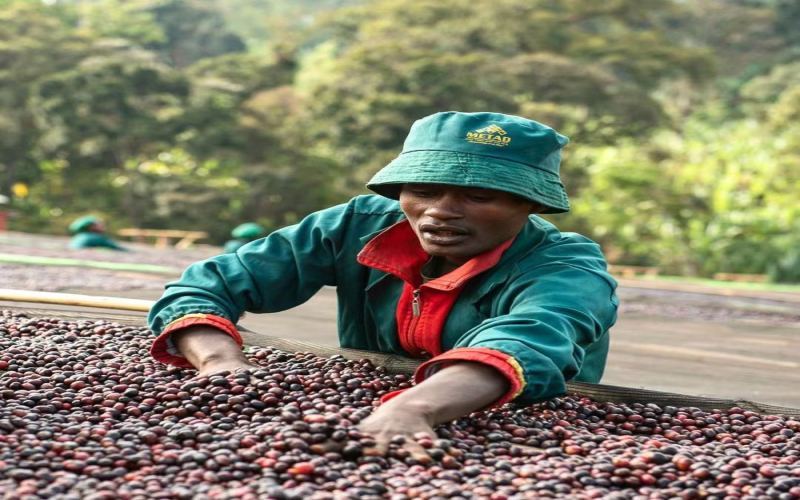
Yirgacheffe Worka Cooperative Coffee Flavor Analysis: Strawberry, Magnolia, and Small Taiwan Mango Notes from Anaerobic Natural Processing
Yirgacheffe, as a representative producing region of Ethiopian specialty coffee, is world-renowned for its floral and citrus notes. This article focuses on a Yirgacheffe from Front Street Coffee's Worka Cooperative that uses a non-traditional processing method—neither the ancient natural process nor the traditional washed process, but rather anaerobic natural processing. The article will outline the Worka Cooperative's geographical location, founding background, and organic certification status, explain why Heirloom native varieties have become the collective term for Ethiopian varieties, and detail how the specific steps of anaerobic fermentation give the coffee its strawberry, magnolia, and small Taiwan mango flavor profile, bringing you a comprehensive understanding of what makes this bean unique. [more…]

Ethiopian Yirgacheffe Worka Cooperative G1 Washed Beans Explained: A Complete Guide from Terroir to Pour-Over Extraction
Yirgacheffe, as Africa's most renowned specialty coffee region, has conquered countless coffee lovers with its signature floral and citrus notes. This article focuses on the washed G1 lot produced by the Worka Cooperative, offering an in-depth analysis covering the region's history, the cooperative's background, the washed processing method, the green bean grading system, and the roasting curve settings and pour-over parameters. Using this bean as an example, Front Street Coffee presents the complete journey from understanding green beans to achieving the final flavor in the cup, making it suitable reading for coffee enthusiasts who want to systematically understand washed Yirgacheffe beans. [more…]
Yirgacheffe Worka Cooperative Coffee Flavor Analysis: Behind the Floral Aroma and Fruit Acidity, Why Are There So Many Ethiopian Varieties?
Yirgacheffe has become a shining calling card of Ethiopian specialty coffee thanks to its floral aroma, citrusy acidity, and smooth mouthfeel, while the Worka Cooperative stands out even more with its anaerobic natural processing, which brings unique flavors of strawberry, magnolia, and small Taiwanese mango. This article will provide a complete analysis of this Front Street Worka Cooperative coffee's flavor sources and quality logic, from the Worka Cooperative's origin background, organic certification, and farmer collaboration, to the complex causes behind Ethiopia's diverse Heirloom landraces, and the specific process of anaerobic natural processing, helping you understand why Yirgacheffe can stand out among numerous producing regions and possess such a rich and varied flavor spectrum. [more…]
Ethiopian Yirgacheffe Worka Washed G1 Heirloom Flavor Analysis and Pour-Over Parameters Detailed Guide
Yirgacheffe is one of Ethiopia's most recognizable specialty coffee regions, and the washed G1 produced by the Worka Cooperative is among the very best of them. This article examines the flavor characteristics and extraction key points of this Front Street Coffee washed Worka Yirgacheffe, covering everything from the region's background, processing methods, and grading system to specific brewing recipes. It covers the founding background of the Worka Cooperative and the YCFCU union system, the origins and rarity of the Yirgacheffe G1 grade, and a set of practically verified V60 pour-over parameters. Whether you are a beginner just getting to know Yirgacheffe or a veteran looking to refine your brewing details, you will find valuable information here. [more…]
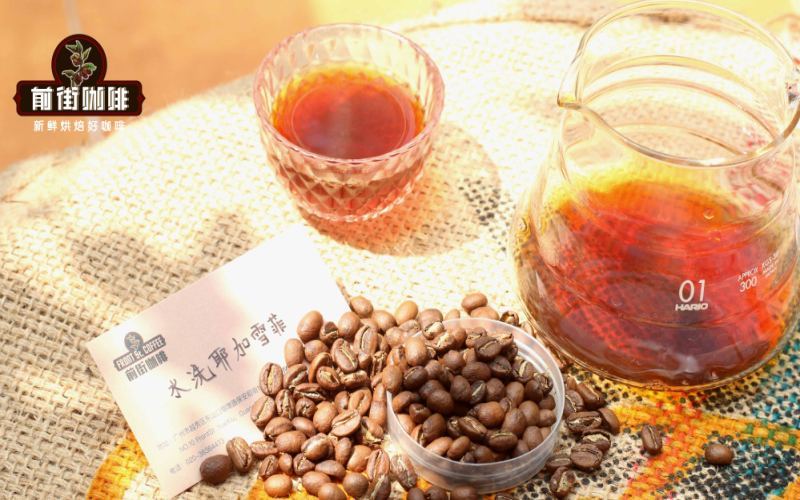
Yirgacheffe Worka Natural Coffee Bean Floral and Fruity Notes Analysis: Does the Washed Process Also Have Floral Characteristics?
Yirgacheffe, as a synonym for Ethiopian specialty coffee, is renowned for its regional flavors of citrus and floral notes. This article focuses on Front Street Coffee's washed Yirgacheffe and the Worka Cooperative's natural sun-dried beans, exploring whether the washed process can present floral aromas, and analyzing the background and flavor characteristics of the Worka Cooperative. Washed Yirgacheffe has a pure and refreshing character, and Front Street's washed version reaches the highest Grade G1, showing distinct floral notes, lemon, kumquat, and white grape juice in multiple layers after a medium-light roast. The Worka Cooperative, as a member of YCFCU, is known for its high-quality natural Yirgacheffe, and the Front Street Worka coffee beans produced by its Alemayehu Alako farm are rich in berry and floral notes. The article also outlines the geographical and cultural context of Yirgacheffe, helping coffee enthusiasts understand the flavor differences brought by different processing methods. [more…]
How much does a 2°C difference in brewing water temperature affect coffee flavor? Front Street Coffee's actual test comparing light roast and dark roast beans
When brewing coffee, should the water temperature be 91°C or 93°C? Does this seemingly tiny difference really determine the flavor direction of a cup of coffee? Front Street Coffee often receives similar questions, because when we share extraction parameters, the water temperature is often given as a range rather than a fixed value. To clarify this issue, we brewed a light-roasted Ethiopian Yirgacheffe and a dark-roasted Brazilian Queen's Estate using the lowest and highest recommended water temperatures respectively, making four pots of coffee in total, and measured the concentration one by one, calculated the extraction yield, and then compared the flavor differences through tasting. This article will present the experimental results in full, analyze the specific effects of high and low water temperatures on the balance of acidity and sweetness, layering, and body, and share how Front Street Coffee chooses the appropriate water temperature based on the roast level of the beans in daily production. [more…]
From Origin to Variety, to Competitions and Estates: A Complete Guide to How Specialty Coffee Beans Are Named
Walking into Front Street Coffee (FrontStreet Coffee) and facing the names of dozens of coffee beans on the menu, many people wonder: Aren't Bach and Mozart musicians? How did they become coffee beans? In fact, there is a complete logic behind the naming of coffee beans. In the early days, coffee beans were mostly named after countries, regions, or ports. After entering the specialty coffee era, traceability information has become increasingly detailed. Estate names, green bean competition rankings, barista competition beans, variety names, processing methods, and even brand classifications can all become the name of a bean. This article will systematically sort out the various rules for naming coffee beans to help you no longer feel confused when ordering. [more…]